Jasa Fotografi 2026 - Panduan Lengkap Harga, Scope, dan Cara Pilih Partner Tepat
Panduan jasa fotografi profesional Indonesia 2026: rentang harga per kategori, isi scope of work yang kredibel, lima faktor penentu tarif, plus cara menilai partner sebelum teken kontrak.
Jasa Fotografi Profesional di Indonesia 2026 - Harga, Scope, dan Cara Memilih Partner yang Tepat
Fotografi brand profesional di Indonesia berada di rentang USD 500 sampai USD 10.000 per proyek pada 2026, tergantung scope, jumlah hari pemotretan, dan kerumitan pra-produksinya. Menurut Statista, belanja iklan visual di Asia Tenggara tumbuh 14% dari tahun ke tahun, dan Indonesia kini jadi pasar terbesar kedua di kawasan setelah Vietnam. Di Jakarta dan sabuk industri Tangerang di sekitarnya, permintaan fotografi brand untuk otomotif, fashion, dan beauty melonjak tajam sejak kuartal pertama 2026 - sebagian besar didorong brand premium yang memindahkan budget dari pustaka stock photo ke fotografi custom yang dibangun di atas positioning mereka sendiri.
Buat marketing director dari luar negeri yang sedang menilai partner berbasis Indonesia, kesulitannya bukan menemukan vendor - jumlahnya ratusan. Kesulitannya ada di membaca pasarnya: harga tidak transparan, norma scope-nya berbeda dari yang biasa diharapkan tim procurement Barat atau Singapura, dan jurang antara seorang freelancer bermodal kamera dengan production house yang sanggup memikul brand multinasional lintas kampanye regional itu sangat lebar.
Panduan ini menjelaskan berapa sebenarnya biaya jasa fotografi di Indonesia pada 2026, apa saja yang wajib ada dalam scope of work yang kredibel, dan bagaimana menilai calon partner sebelum kontrak diteken - ditulis khusus untuk pemimpin marketing di perusahaan yang berkantor pusat di Amerika, Singapura, dan Australia yang sedang masuk atau sudah beroperasi di pasar Indonesia.
Kenapa Harga Fotografi Indonesia Bikin Pembeli Asing Bingung
Hampir semua tim marketing asing yang masuk ke Indonesia mengalami gesekan yang sama: kampanye brand yang di Sydney atau Singapura menelan USD 40.000-60.000 tiba-tiba ditawar USD 5.000 di Jakarta - lalu vendor berikutnya memasang USD 25.000 untuk brief yang kelihatannya sama persis. Dua-duanya bisa sama-sama sah. Selisih itu memantulkan perbedaan nyata di tier talent, hak pakai, kelas peralatan, dan kedalaman lapisan produksinya, bukan sekadar permainan tawar-menawar.
Sumber kebingungan yang lain: pasar fotografi brand Indonesia matang dengan sangat cepat. Sampai 2021 pun mayoritas klien lokal masih menerima foto produk beralas putih sebagai standar. Memasuki 2026, brand premium domestik - setara Kiehl's, Lexus, atau Bonobos di kategorinya masing-masing - sudah menuntut pencahayaan sinematik, art direction yang bercerita, dan tekstur kulit yang tetap tahan diperiksa di layar 4K. Kematangan itu memampatkan jarak antara agency Indonesia papan atas dengan production house Singapura, sambil menyisakan ekor panjang vendor yang belum memenuhi kualifikasi tapi tetap beredar di pasar.
Apa yang Layak Disebut Fotografi Brand Profesional di 2026
Fotografi brand profesional adalah layanan tiga lapis: pra-produksi (konsep, moodboard, casting talent, survei lokasi), produksi (hari pemotretan bersama fotografer, tim lighting, art director, stylist), dan pasca-produksi (seleksi, retouching, color grading, pengiriman multi-format). Ini berbeda secara mendasar dari sekadar memesan fotografer freelance, yang biasanya hanya mengantar hari pemotretan plus editing dasar.
Perbedaan itu penting karena pekerjaan brand menuntut pengelolaan hak yang terstruktur, lisensi penggunaan multi-channel (cetak, digital, out-of-home, e-commerce, media sosial), dan alur review klien yang melibatkan pemangku kepentingan brand internal di setiap tahap. Vendor yang biasa menggarap pernikahan, foto keluarga, atau acara korporat sekali jalan umumnya tidak diperlengkapi untuk itu - dan brand asing yang baru menyadarinya di tengah proyek harus membayar mahal untuk pelajaran tersebut.
Kenapa Ini Penting buat Brand Asing yang Masuk ke Indonesia
Ketika brand Barat masuk ke pasar Asia Tenggara, godaannya adalah melokalkan materi kreatif yang diproduksi terpusat - terjemahkan headline-nya, ganti modelnya, kirim asetnya. Cara itu jarang berhasil di Indonesia. Audiens lokal membaca petunjuk visual dengan ketelitian tinggi: gaya busana, lingkungan, postur dan warna kulit model, bahkan jenis makanan atau furnitur yang ikut masuk frame. Kampanye yang terasa impor akan terbaca sebagai impor, dan konversinya ikut jatuh.
Brand yang menang di Indonesia berproduksi secara lokal dengan arahan kreatif lokal. Itu bukan berarti membuang brand guideline global - artinya bermitra dengan production house yang mampu menerjemahkan guideline tersebut jadi eksekusi visual yang fasih secara kultural. Sagara menangani fotografi brand di tiga vertikal inti - otomotif, fashion, dan beauty - dengan pustaka referensi visual yang dalam untuk tiap kategori, bukan satu template generik yang ditarik paksa ke semua industri.
Lima Kategori Fotografi Brand yang Layak Dianggarkan
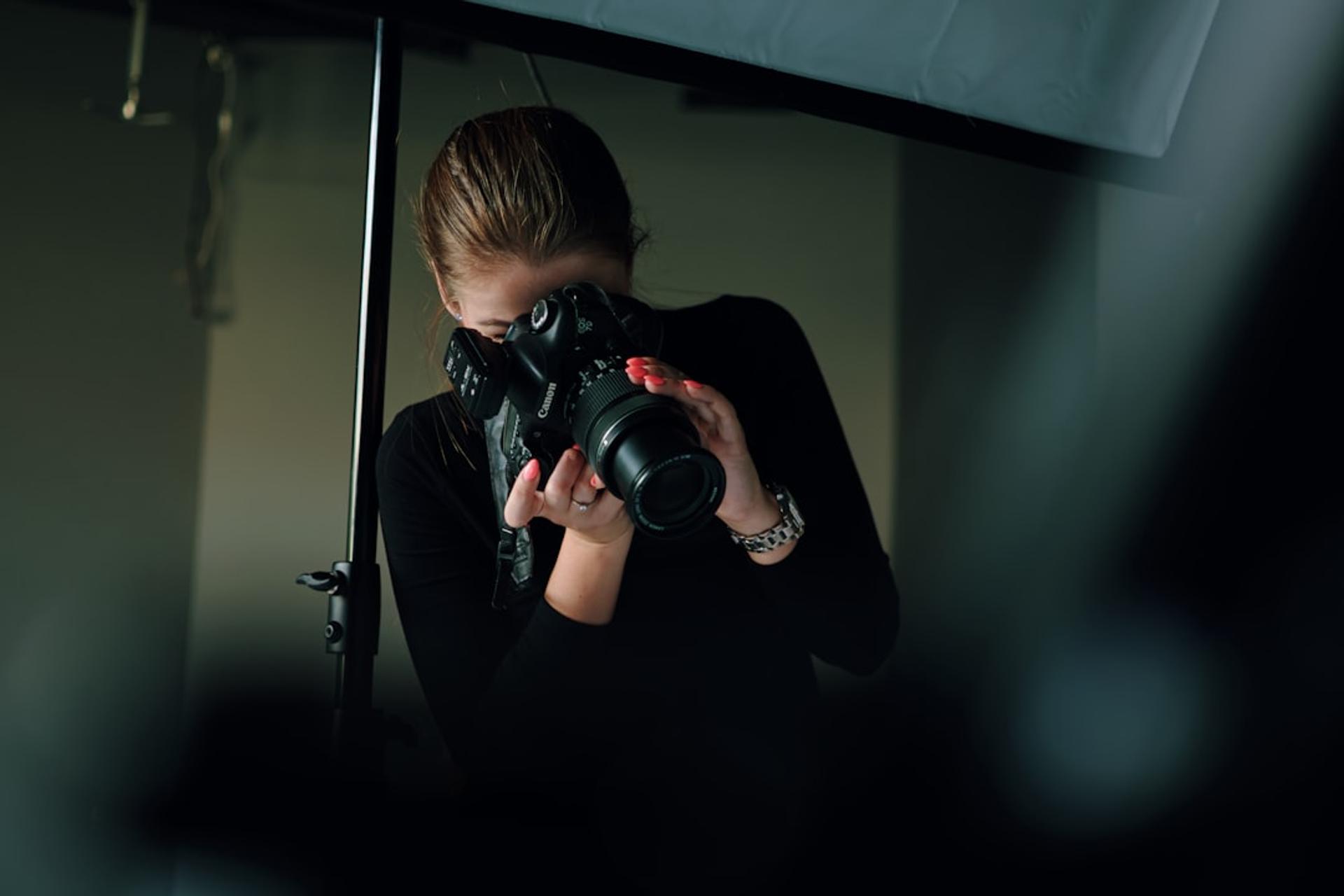
Sebelum bicara harga, ada baiknya memetakan dulu spektrum layanan yang relevan buat brand modern. Sedikit sekali brand yang benar-benar butuh kelimanya. Pemborosan budget paling sering terjadi justru karena scope-nya tidak dijernihkan sejak awal.
1. Fotografi Produk
Kerja studio yang terkendali dan berfokus pada produk fisiknya. Dipakai untuk e-commerce, katalog, dan aset media sosial. Hasil yang bagus menuntut setup pencahayaan yang konsisten, retouching dengan warna yang akurat, dan perlakuan khas per kategori - makanan, kosmetik, elektronik, komponen otomotif, dan pakaian masing-masing minta pendekatan teknis yang berbeda.
2. Fotografi Lifestyle
Menempatkan produk dalam konteks pemakaian nyata, lengkap dengan talent, lingkungan, dan benang cerita. Lebih rumit dari fotografi produk karena menambahkan casting, wardrobe, lokasi, dan art direction. Inilah yang jadi tumpuan sebagian besar kampanye hero, dan di sinilah production house Indonesia yang bagus membuktikan nilai tarifnya.
3. Potret Eksekutif dan Korporat
Citra profesional para founder, eksekutif C-level, atau juru bicara brand. Krusial untuk halaman About Us, press kit, deck investor, dan kehadiran di LinkedIn. Brand asing kerap meremehkan kategori ini, padahal potret eksekutif yang lemah bisa diam-diam menggerogoti kredibilitas di seluruh jejak digital kamu.
4. Liputan Acara dan Dokumentasi
Peluncuran, pameran, peragaan busana, aktivasi brand. Butuh refleks cepat dan pertimbangan editorial. Sagara pernah menangani liputan untuk acara seperti Indonesia Fashion Week dan peluncuran otomotif premium di lintasan - pekerjaan yang menuntut alur kerja multi-fotografer dengan editing dan pengiriman di hari yang sama.
5. Hybrid Brand Film Sinematik plus Fotografi
Pemotretan terpadu di mana foto dan video diambil dalam satu hari produksi yang sama. Lebih efisien secara budget dan menghasilkan set aset yang konsisten secara visual untuk penyebaran omnichannel - makin lama makin jadi permintaan standar dari brand yang sudah canggih.
Harga Fotografi Jakarta 2026 - Rentang Realistis per Kategori
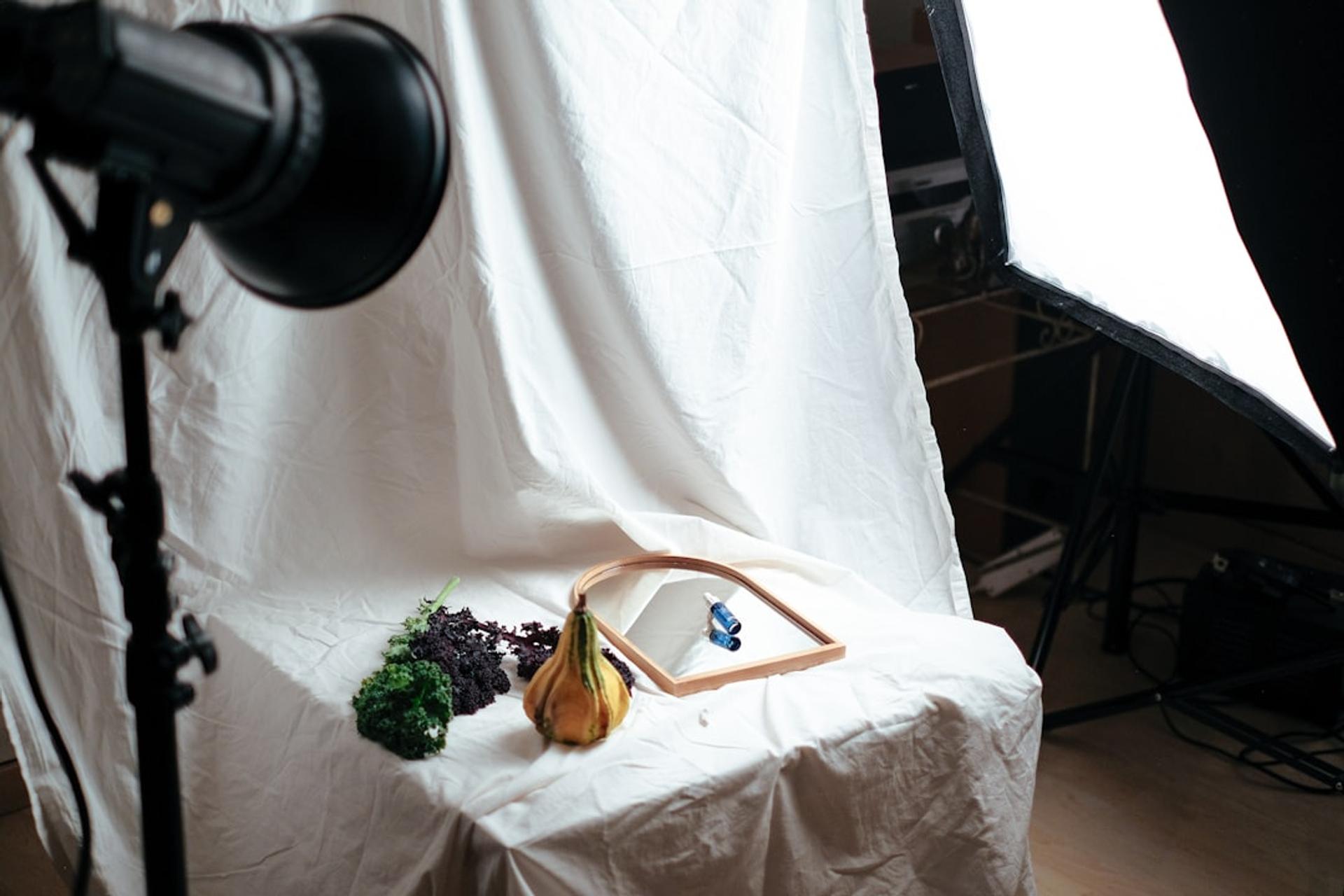
Salah satu masalah struktural di industri ini adalah harga yang tertutup. Kebanyakan vendor menghindari mempublikasikan tarif, sehingga brand terpaksa menggelar pitch ke lima sampai tujuh studio hanya demi menemukan kisaran budget yang masuk akal. Di bawah ini rincian realistis yang Sagara amati di pasar Jakarta-Tangerang sepanjang 2026. Angka USD memakai kurs acuan Rp 15.800 per USD.
| Kategori Layanan | Rentang Harga 2026 (USD) | Durasi Pemotretan | Deliverable Standar |
|---|---|---|---|
| Fotografi produk (dasar, 20 SKU) | $500 - $1.200 | 1 hari | 60-80 foto hasil edit |
| Fotografi produk (lifestyle, 10 SKU) | $1.600 - $2.900 | 1-2 hari | 50-80 foto hasil edit |
| Potret eksekutif (1-3 talent) | $800 - $1.900 | Setengah sampai 1 hari | 15-30 foto hasil edit |
| Kampanye brand (1 angle, 1 lokasi) | $2.500 - $5.400 | 1-2 hari | 80-150 foto hasil edit |
| Kampanye brand (multi-angle, multi-lokasi) | $5.100 - $9.500 | 2-4 hari | 150-300 foto hasil edit |
| Liputan acara (setengah hari) | $500 - $1.300 | 4-6 jam | 200-400 foto hasil edit |
| Liputan acara (sehari penuh) | $1.150 - $2.500 | 8-10 jam | 400-800 foto hasil edit |
| Liputan peluncuran otomotif | $3.800 - $9.500 | 1-3 hari | Deliverable custom |
Rentang di atas mengasumsikan kru minimal tiga orang (fotografer utama, asisten, retoucher), peralatan kelas profesional, dan studio yang berbasis di Jakarta. Proyek di luar Jabodetabek menambah biaya perjalanan, akomodasi, dan logistik - umumnya 15-25% di atas angka tersebut.
Lima Faktor yang Menggerakkan Angka Penawaran
Di luar kategorinya, ada lima masukan yang menyumbang sebagian besar selisih harga:
- Hak pakai dan durasi lisensi. Pemakaian di billboard luar ruang selama dua tahun jelas jauh lebih mahal dibanding satu unggahan Instagram. Brand asing sering melewatkan klausul ini lalu terpaksa bernegosiasi ulang di tengah kampanye.
- Jumlah talent dan tier casting. Talent dari agensi model tier satu di Jakarta berkisar USD 500-1.600 per orang per hari.
- Biaya lokasi. Sewa studio premium ada di USD 190-500 per hari. Venue heritage atau properti privat bisa tembus di atas USD 1.000.
- Sewa peralatan khusus. Kamera medium format, lighting kelas sinema, atau pengambilan gambar dengan drone menambah 20-40% dari biaya dasarnya.
- Kecepatan pengerjaan. Pengiriman kilat di bawah 48 jam biasanya menambah premi 30-50%.
Untuk perbandingan yang lebih sempit per kategori, kami sudah memisahkan pembahasan tarif fotografer dan videografer event di Jakarta dan tarif foto produk beserta pilihan studionya ke panduan tersendiri.
Diskusi Bareng Sagara
Ada kebutuhan brand yang mau dibahas?
Konsultasi awal gratis, tanpa komitmen. Atau lihat layanan kami.
Apa Saja yang Harus Ada di Scope of Work yang Kredibel
Begitu proposal masuk, audit isinya pakai checklist berikut. Vendor yang kehilangan lebih dari dua poin di sini sedang memberi sinyal: entah dia belum berpengalaman menangani klien brand, atau dia berniat menegosiasi ulang belakangan.
- Deliverable pra-produksi yang terdefinisi. Moodboard, shot list, daftar pendek casting, opsi lokasi - semuanya diajukan untuk disetujui klien sebelum hari pemotretan.
- Komposisi kru lengkap dengan nama dan perannya. Bukan cuma tulisan tim fotografi. Kamu harus tahu siapa yang memimpin, siapa yang memegang lighting, siapa yang mengarahkan art direction, dan siapa yang meretouch.
- Daftar peralatan. Bodi kamera, lensa utama, setup pencahayaan. Sebutan mengambang seperti peralatan profesional itu tanda bahaya.
- Klausul hak pakai. Merinci channel, wilayah geografis, dan durasinya. Membedakan secara tegas antara paid media dan channel milik sendiri.
- Jumlah putaran revisi. Umumnya dua putaran revisi retouching untuk foto-foto terpilih.
- Format dan tenggat pengiriman. File cetak resolusi tinggi, file yang dioptimasi untuk web, crop untuk media sosial, file mentah (kalau memang disertakan). Jendela pengirimannya dinyatakan dalam hari kerja.
- Ketentuan pembatalan dan penjadwalan ulang. Pemotretan luar ruang yang bergantung cuaca paling butuh poin ini didefinisikan.
Cara Brand Asing Menilai Partner Berbasis Indonesia
Kebanyakan tim procurement asing otomatis membandingkan portofolio dan harga. Itu perlu, tapi belum cukup. Evaluasi yang lebih sulit adalah memastikan apakah calon partner sanggup memikul sebuah brand pada tingkat kematangan operasional yang diharapkan tim asing.
Kedalaman Portofolio di Vertikal Kamu
Portofolio umum yang kuat nilainya kalah dibanding portofolio yang dalam di kategori spesifik kamu. Tim yang sudah memotret sepuluh peluncuran otomotif berarti sudah menyerap solusi pencahayaan, pola pengarahan talent, dan alur pasca-produksi yang khas vertikal itu. Minta lihat tiga proyek di kategori kamu dari 18 bulan terakhir.
Komunikasi Klien dalam Bahasa Inggris
Ini lebih berlapis dari sekadar apakah mereka bisa bahasa Inggris. Pertanyaan sebenarnya: apakah manajemen proyek, panggilan arahan kreatif, dan siklus feedback berlangsung dalam bahasa Inggris dengan presisi yang tim kamu butuhkan. Tanyakan siapa titik kontak harian kamu nanti, lalu minta satu video call singkat sebelum tanda tangan.
Disiplin Dokumentasi dan Proses
Brand asing bekerja di atas persetujuan yang terdokumentasi, kontrol versi, dan jejak audit. Tanyakan bagaimana calon partner menangani approval (email, software manajemen proyek, PDF bertanda tangan), bagaimana mereka memberi versi pada deliverable kreatif, dan bagaimana mereka mengarsipkan file mentah setelah proyek selesai. Jawaban yang mengambang di sini meramalkan gesekan di kemudian hari.
Kepatuhan pada Brand Guideline Kamu
Kalau kamu beroperasi di bawah brand guideline global, calon partner harus bisa menunjukkan bahwa mereka mampu membaca dan mengeksekusi sebuah brand book - termasuk kode warna, aturan tipografi untuk teks apa pun di dalam gambar, serta panduan penggunaan logo dan merek dagang produk.
Referensi dari Klien Asing atau Multinasional
Referensi dari klien Indonesia memang berguna, tapi belum sepenuhnya memprediksi performa dengan klien asing. Minta secara spesifik referensi dari brand multinasional, kantor pusat regional, atau brand ekspor. Dinamika kerjanya berbeda secara berarti.
Bagaimana AI Search dan Penemuan Visual Mengubah Isi Brief
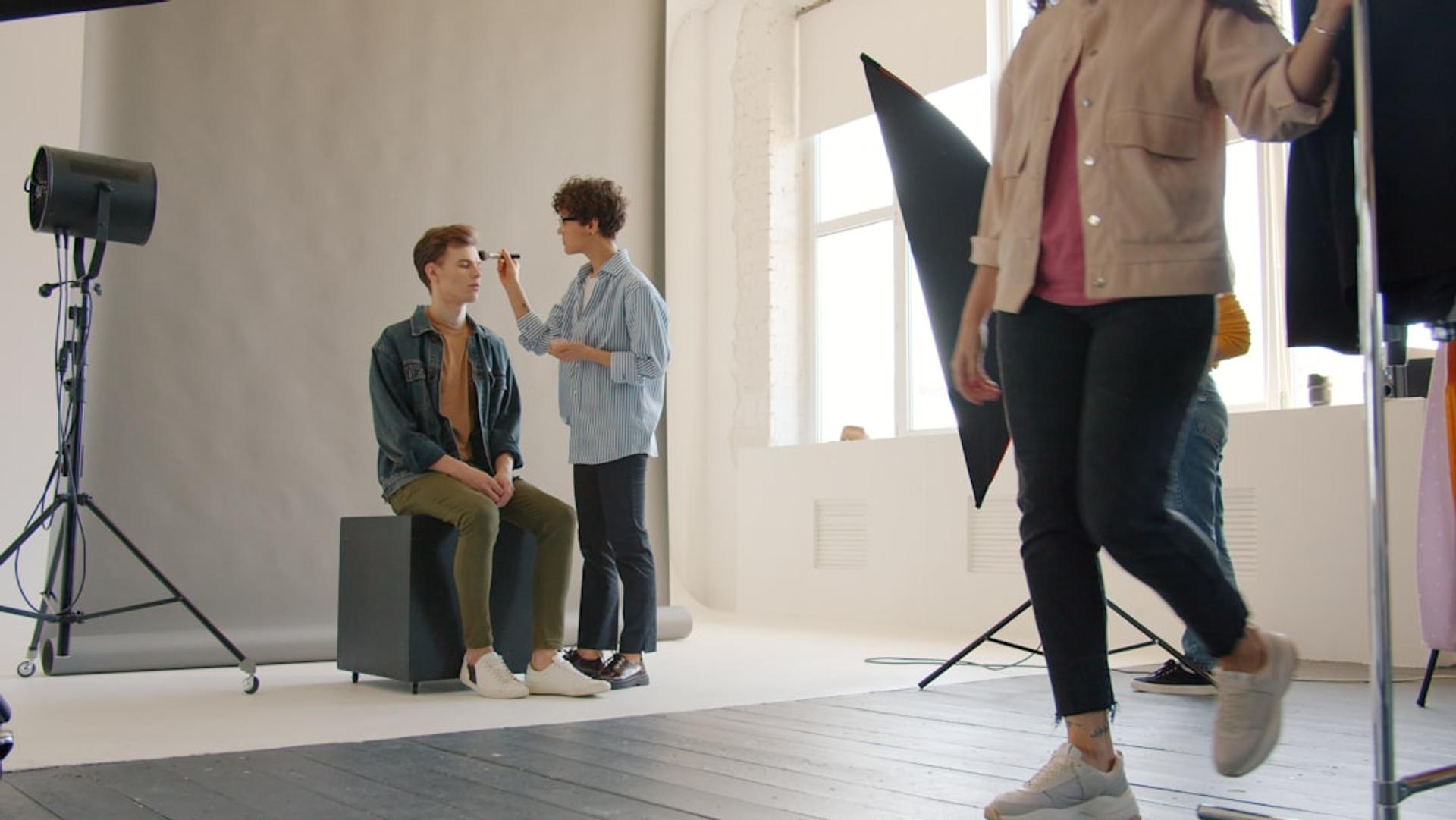
Tema yang terus berulang di brief klien kami sepanjang 2026 adalah pergeseran cara citra brand ditemukan orang. AI Overviews di Google, pencarian visual di TikTok dan Pinterest, serta naiknya answer engine optimization membuat gambar brand makin dituntut berfungsi ganda: sebagai konten editorial sekaligus bukti visual yang layak dikutip. Implikasinya buat produksi sangat konkret:
- Komposisi yang siap jadi caption. Gambar harus tetap masuk akal secara naratif sekalipun muncul cuma sebagai satu thumbnail tunggal di jawaban yang dirakit AI.
- Disiplin metadata dan alt text. Brand asing sering menyerahkan urusan ini ke tim in-house, padahal partner produksi terbaik kini mengirimkan metadata terstruktur sebagai bagian dari paket asetnya.
- Volume tanpa mengorbankan kualitas. Brand butuh lebih banyak hero image per kampanye dibanding tiga tahun lalu, karena tiap platform sekarang memberi imbalan pada crop dan rasio aspek yang native di platform tersebut.
Efek praktisnya, biaya per aset turun sementara total keluaran kampanye justru naik. Brand asing yang merencanakan produksinya mengikuti kenyataan ini mendapat daya ungkit lebih besar dari budget Indonesia mereka, dibanding brand yang masih memberi brief untuk satu hero plus tiga potongan media sosial.
Kesalahan yang Umum Dilakukan Brand Asing di Proyek Fotografi Indonesia
Setelah menangani proyek untuk brand domestik maupun asing, ada pola kesalahan yang sebetulnya bisa dihindari.
Memberi brief terlalu mepet. Tim asing kerap membagikan brief final dua minggu sebelum tanggal pemotretan. Di Indonesia, talent papan atas, lokasi premium, dan kru senior sudah dipesan empat sampai enam minggu sebelumnya pada musim ramai (Maret-Mei, September-November).
Tidak merinci hak pakai. Menyetujui penawaran tanpa mengunci media, wilayah, dan durasinya hampir selalu memicu negosiasi ulang yang mahal begitu kampanyenya melebar.
Mengimpor arahan kreatif tanpa uji nalar lokal. Konsep kreatif global yang bagus sekalipun bisa mendarat buruk di Indonesia tanpa review dari art director lokal. Selipkan panggilan penyelarasan kreatif 30 menit ke setiap proyek.
Mengoptimalkan cuma dari sisi biaya. Penawaran termurah yang masih masuk akal sering menyembunyikan pra-produksi seadanya, kru yang kekurangan orang, atau talent junior. Biaya memotret ulang kampanye yang gagal jauh melampaui penghematan dari memilih penawar terendah.
Melewatkan detail kontrak. Kontrak fotografi komersial di Indonesia umumnya lebih ringan dibanding dokumen setara di Singapura atau Amerika. Dorong balik dan minta klausul spesifik soal hak, deliverable, dan pembatalan, jangan cuma menerima template standarnya.
Pertanyaan yang Sering Diajukan
1. Lebih hemat menerbangkan kru produksi dari Singapura atau merekrut lokal di Indonesia?
Untuk mayoritas proyek brand, merekrut secara lokal di Indonesia 40-60% lebih hemat begitu biaya perjalanan, akomodasi, dan urusan visa ikut dihitung - dan kefasihan kulturalnya jelas lebih baik. Kru Singapura baru masuk akal untuk kampanye regional yang sangat terintegrasi, di mana satu pemimpin produksi menangani beberapa pasar secara berurutan.
2. Berapa lama biasanya satu proyek fotografi brand berjalan dari brief sampai pengiriman?
Siapkan empat sampai enam minggu: satu minggu untuk penyelarasan brief dan pra-produksi, satu sampai dua minggu untuk casting dan survei lokasi, lalu pemotretannya sendiri, dan dua sampai tiga minggu untuk seleksi, retouching, serta pengiriman final. Timeline kilat tetap mungkin, tapi biasanya menambah 30-50% dari budget.
3. Struktur hak pakai seperti apa yang jadi standar fotografi brand di Indonesia?
Praktik standarnya adalah melisensikan penggunaan berdasarkan channel, wilayah, dan durasi. Banyak vendor memakai default lisensi 12 bulan khusus Indonesia. Brand asing sebaiknya meminta hak global atau regional minimal 24 bulan sejak awal - biaya tambahannya di tahap proposal jauh lebih murah dibanding menegosiasikan perpanjangan belakangan.
4. Apakah production house Indonesia terbiasa bekerja dengan brand guideline dan brand book global?
Production house yang bereputasi memang terbiasa, tapi kualitas eksekusinya bervariasi. Tanyakan secara eksplisit saat evaluasi apakah timnya pernah menangani kepatuhan brand book untuk klien multinasional, lalu minta contohnya. Sisipkan juga sesi review brand guideline ke dalam tahap pra-produksi.
5. Bagaimana urusan pembayaran dan penagihan buat perusahaan asing?
Sebagian besar production house Indonesia bisa menagih dalam USD atau SGD dan menerima transfer bank internasional. Termin pembayarannya umumnya 50% saat tanda tangan, 50% saat pengiriman. Beberapa rumah produksi yang lebih besar bisa mengakomodasi termin net-30 untuk klien korporat yang sudah mapan - pastikan hal ini di tahap kontrak.
6. Musim apa yang paling pas untuk menjadwalkan produksi fotografi di Indonesia?
Musim kemarau kira-kira berjalan dari Mei sampai September, dan itu yang paling disukai untuk pekerjaan luar ruang maupun di lokasi. Produksi indoor dan studio bisa berjalan sepanjang tahun tanpa risiko cuaca. Perlu dicatat, bulan-bulan di sekitar Ramadan dan Lebaran membuat ketersediaan kru dan talent jadi terbatas, jadi rencanakan di luar jendela waktu itu.
7. Bagaimana memastikan portofolio sebuah vendor benar-benar hasil kerjanya sendiri?
Minta brief proyeknya, nama brand kliennya, dan satu kontak referensi untuk dua proyek terbaru di vertikal kamu. Rumah produksi yang bereputasi akan membagikannya dengan terbuka. Keraguan atau jawaban yang mengambang menandakan portofolio yang digelembungkan, dan sayangnya itu lumrah terjadi di kelas harga bawah.
Menyatukan Semuanya
Pasar fotografi brand Indonesia di 2026 menawarkan kualitas yang sungguhan pada titik harga jauh di bawah yang dibayar brand asing di pasar asalnya - tapi rentang kualitas eksekusinya lebih lebar dari perkiraan kebanyakan tim procurement. Brand yang meraih daya ungkit paling besar adalah mereka yang memberi brief lebih awal, mengunci scope dan hak pakai secara presisi, lalu memilih partner dengan kedalaman terverifikasi di vertikalnya sendiri, bukan yang portofolionya sekadar generalis.
Buat brand asing yang masuk atau sedang menskalakan diri di Indonesia, partner fotografi yang tepat bukan sekadar vendor melainkan penerjemah - dia mengubah niat brand global jadi eksekusi visual yang benar-benar mengonversi di pasar yang punya literasi visualnya sendiri. Kemitraan seperti itu layak diberi waktu untuk dipilih dengan cermat.
Mulai Sekarang
Siap Kembangkan Brand Kamu Bareng Sagara Ruang?
Dari konten social media hingga motion branding - konsultasi awal gratis, tanpa komitmen apapun.
Yuk berkolaborasi
ADA PROYEK YANG
MAU DIKERJAIN?
Ceritakan proyekmu ke kami - konsultasi awal gratis, tanpa komitmen apapun.
Artikel Lainnya