The 15 Best Social Media Management Tools for 2026 (And When to Actually Use Each)
A B2B buyer's guide to the 15 best social media management tools of 2026 — grouped by function, matched to team size, approval complexity, and real analytics use.
The 15 Best Social Media Management Tools for 2026 (And When to Actually Use Each)
Social media management tools are software platforms that consolidate scheduling, publishing, analytics, and brand-conversation monitoring into a single dashboard — so a team stops jumping between a different app for every network. The question for 2026 is no longer which tool has the most features, but which tool matches the way your team actually works. That distinction is where most marketing budgets quietly leak.
Direct answer: The best social media management tool for 2026 is not a single product — it depends on scale and workflow. For small teams, Buffer or Metricool is enough; for brands running many accounts with strict approvals, Sprout Social or Agorapulse fits better; for enterprises that need deep social listening, Sprinklr or Brandwatch. Indonesia now has more than 130 million active social media users (DataReportal, Digital 2026 Indonesia), and in a market as dense as Jakarta, the brands that win are not the ones posting most often — they are the ones with the tightest system. The right choice is the one that maps features to your account count, approval complexity, and how much analytics you genuinely use.
Why This Matters If You Operate in Indonesia
If you are a CMO or brand manager at a US, Singapore, or Australia company, and part of your operation touches Southeast Asia, this decision carries more weight than it does at home. Indonesia is one of the most social-first markets on earth: WhatsApp, Instagram, TikTok, and increasingly TikTok Shop are not side channels — they are the primary storefront and the primary customer-service desk. A tool stack that works cleanly for a US-centric team, where email and LinkedIn carry more of the load, can fall apart the moment you need Bahasa Indonesia community management, local approval chains across a distributed team, and TikTok-first publishing at Jakarta's cadence.
Consider a scenario that plays out constantly with premium brands entering the market. When a global automotive brand — say a BMW dealer network — runs a digital activation across several regional accounts at once, the challenge is never a shortage of ideas. The challenge is holding one visual standard and one tone of voice across many channels, on a rhythm that tracks the model-launch cycle. At that point, tool selection stops being a technical detail and becomes an operational decision: it determines whether brand consistency survives every week, or breaks by the third post. For a foreign brand managing that from three time zones away, the tool is often the only thing enforcing the standard when you are asleep.
Key takeaways:
- The 15 tools here fall into 4 categories — all-in-one scheduling, visual-first, analytics & social listening, and native/free. Choosing the category first matters more than choosing the brand.
- Small-to-mid-sized brands are usually well served by one affordable all-in-one tool (Buffer, Metricool, SocialPilot). The expensive platforms are the ones most often over-bought.
- Premium tools like Sprout Social or Sprinklr only earn their price when a brand runs many accounts, has layered approval teams, and actually uses the analytics.
- Meta Business Suite is free and routinely forgotten, yet it is enough for a brand that only manages Instagram and Facebook.
- No tool, however advanced, replaces a content production system. The framework, the calendar, and the quality control still come from the team — not the software.
Why Tool Choice Determines Results, Not Just Speed
Many brands treat tool selection as a feature-shopping exercise: more features, better tool. The reality runs the other way. A tool overloaded with features for a small team actually slows it down — most tabs never get touched, while the monthly bill runs regardless.
The opposite failure is just as common. A brand managing five accounts on a bare-bones tool hits a wall fast. Approvals stall in a messaging thread, reports get assembled by hand in a spreadsheet, and nobody knows which content is actually moving engagement.
The right social media management tool solves three things at once: it schedules content across platforms from one place, it unifies approvals so no wrong version ever ships, and it turns raw data into editorial decisions. Everything else — filters, exotic integrations, an AI caption generator — is almost always nice to have, not decisive.
Read the list below the same way. Start from those three core functions, then ask whether a tool's extra features genuinely answer a real problem your team has, or just look impressive in a sales demo. For a serious brand, the question is never "which tool is most complete," but "which tool fits how my team works." That is exactly why this guide is organized by when to use each, not by feature count. And if you are still weighing whether to run this in-house or hand it off entirely, our breakdown of agency vs freelancer for social media management is a useful companion to this decision.
How We Grouped These 15 Tools
Long tool lists tend to confuse because they mix products that answer genuinely different needs. To speed up your decision, we split them into four functional groups:
- All-in-one scheduling & publishing — the daily operational core: scheduling, publishing, and approvals across platforms.
- Visual-first — built for brands heavy on Instagram, TikTok, and Pinterest, with grid previews and visual planning.
- Analytics & social listening — focused on data, sentiment, and monitoring brand conversations beyond your own accounts.
- Native & free — platform-built tools that get underestimated even though they cover the basics.
One note before the list: pricing changes often and varies by seats and accounts. So we present price position qualitatively (free, budget, mid-tier, enterprise) — for exact figures, check each tool's pricing page directly. We took the same approach when we mapped out the full social media management pricing breakdown, to avoid misleading anyone with numbers that go stale.
All-in-One Tools for Scheduling and Publishing
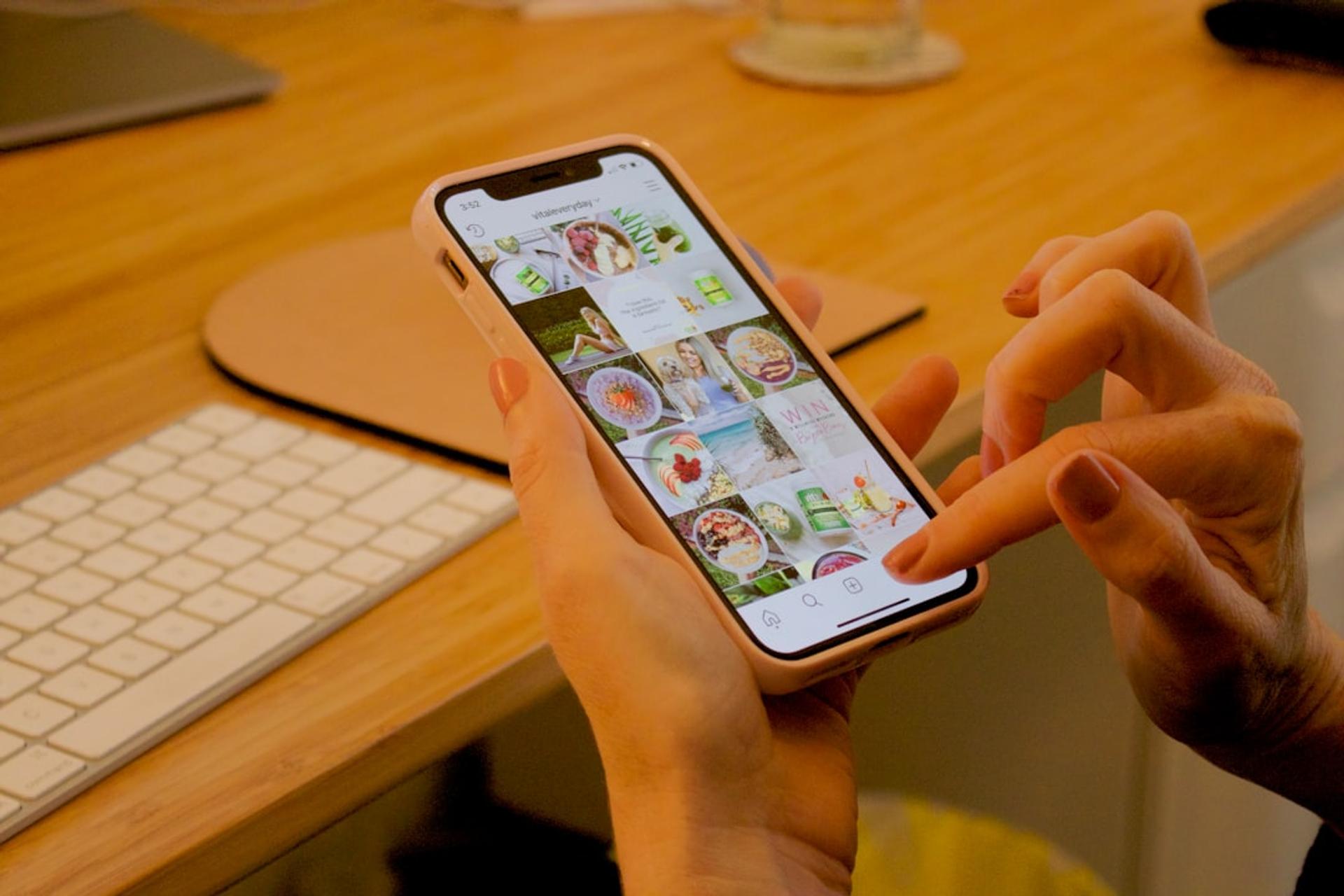
This category is the operational backbone. If you can only choose one tool, it almost certainly comes from this group.
1. Hootsuite — the best-known veteran. Strong for teams managing many accounts at once with a need for real-time monitoring streams. When to use it: mid-to-large teams that need a centralized dashboard and are already comfortable in its ecosystem. Not for: solopreneurs — the interface feels heavy and the price sits mid-to-high.
2. Buffer — the small-team favorite because it is simple and clean. Fast scheduling, an almost-zero learning curve. When to use it: startups, personal brands, or a growing SMB that just needs tidy scheduling without excess features. Not for: brands with layered approvals and social-listening needs.
3. Sprout Social — premium tier, with reporting genuinely fit to present to management. Its approval features, unified inbox, and analytics are mature. When to use it: established brands or agencies that need client-ready reports and serious approval flows. Not for: budget-tight teams — it is one of the most expensive on the market.
4. Agorapulse — the middle path between Sprout and Buffer. Its unified social inbox is strong, and its reporting runs reasonably deep without Sprout's price. When to use it: brands heavy on community management that need to answer comments and DMs in one place. Not for: teams that only want the cheapest possible scheduler.
5. Sendible — built with agencies in mind. Multi-client management, white-label reports, and per-team access permissions. When to use it: small-to-mid agencies handling many client accounts at once. Not for: single brands — much of its feature set goes to waste.
6. SocialPilot — known for a strong feature-to-price ratio. It manages many accounts at a far lower cost than Hootsuite. When to use it: teams that need high account capacity while keeping costs down. Not for: those prioritizing deep analytics.
7. Loomly — strong on collaboration and the idea-to-publish flow. It offers content suggestions and a clear per-post approval system. When to use it: teams that need a clean collaboration workflow from brief to publish. Not for: those needing social listening across the wider web.
Those seven cover most brand needs. The differences come down more to team working style than raw capability — and that is precisely where the most common selection mistake happens.
Work With Sagara
Got a project in mind?
Free initial consultation, no commitment. Or see our services.
Visual-First Tools for Instagram, TikTok, and Pinterest

Brands that sell through aesthetics — fashion, beauty, premium automotive — live on visual channels. For them, a grid preview and a visual calendar are not luxuries; they are how the feed gets planned as a composed whole rather than a stream of one-off posts.
8. Later — one of the original visual-first schedulers. Its drag-and-drop Instagram grid preview lets you see how the feed looks before anything ships. When to use it: Instagram- and TikTok-led brands where feed aesthetics are the strategy. Not for: B2B brands whose growth lives on LinkedIn and long-form.
9. Planoly — built around visual planning and a clean, designer-friendly interface. Strong for curating a consistent look and mapping campaigns visually. When to use it: boutique and creator-led brands that plan the feed as a mood board. Not for: teams that need deep cross-channel analytics or heavy approval layers.
10. Metricool — an underrated all-rounder that punches far above its price. It combines visual planning, scheduling, competitor tracking, and analytics — including ad performance — in one budget-friendly package. When to use it: lean teams that want visual planning and real analytics without paying enterprise rates. Not for: enterprises needing dedicated social listening at scale.
The pattern to notice: visual-first tools optimize for how the content looks together. If your brand's edge is aesthetic consistency, that optimization is worth more than another analytics tab you will never open.
Analytics and Social Listening Tools
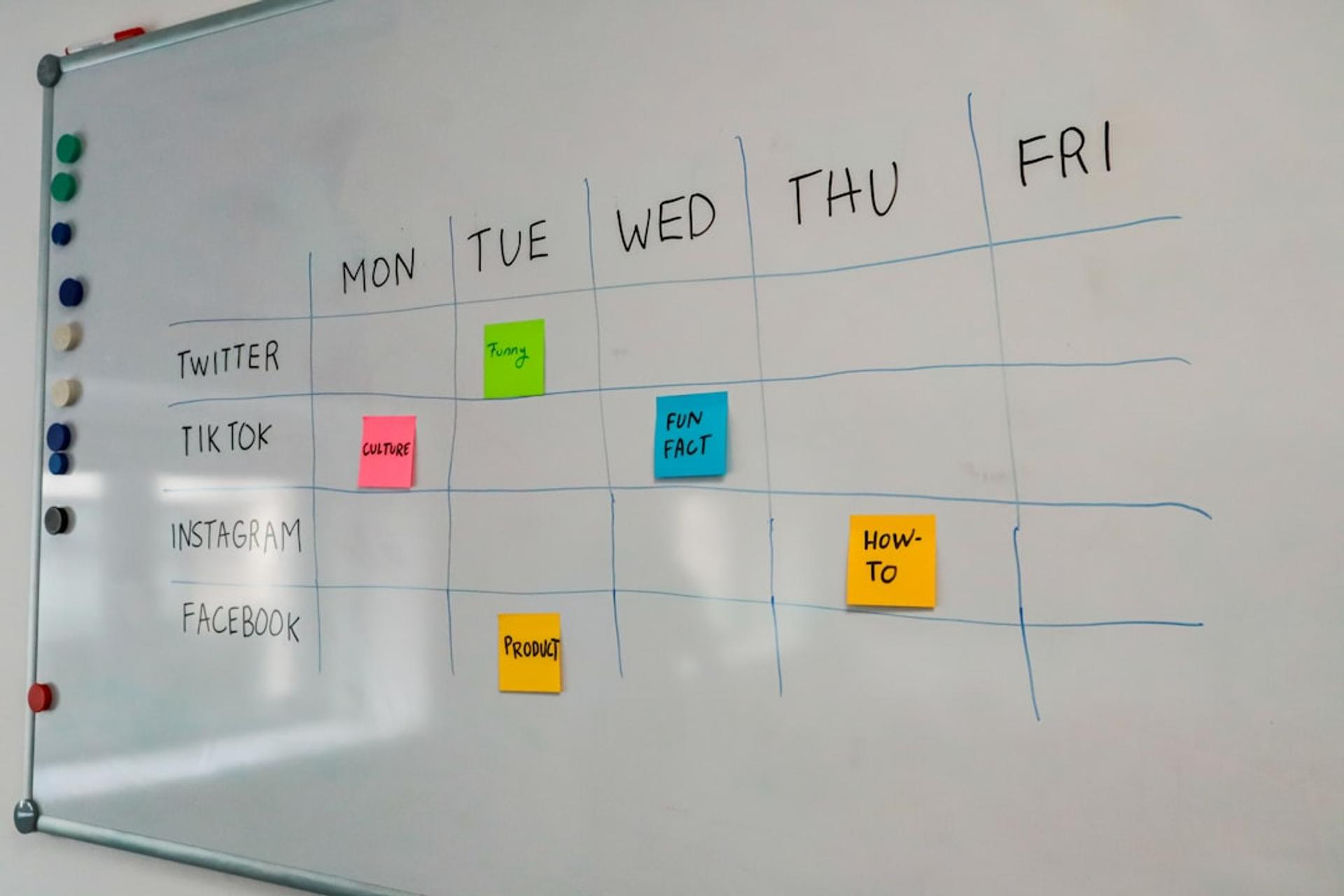
This category answers a different question. The tools above ask what should we publish and when. These ask what is the market saying about us, and what does the data tell us to do next. For a foreign brand operating in Indonesia, this is often where the real value sits — because social listening in Bahasa Indonesia is how you catch a sentiment shift, a competitor move, or a nascent PR issue before it reaches you translated and too late.
11. Sprinklr — the enterprise heavyweight. Unified customer experience management across dozens of channels, with deep listening, AI-driven sentiment, and governance for large organizations. When to use it: global enterprises with many markets, large teams, and compliance requirements. Not for: anyone who is not a large organization — the cost and complexity are only justified at scale.
12. Brandwatch — a social listening and consumer-intelligence specialist. Its strength is monitoring conversations across the open web, not just your own accounts, and turning them into research-grade insight. When to use it: brands and agencies that need genuine market intelligence and trend detection. Not for: teams that just need scheduling — this is a listening tool first.
13. Rival IQ — competitive analytics focused on benchmarking your performance against direct competitors. When to use it: brands that want to know exactly where they stand versus a defined competitive set. Not for: those needing scheduling or inbox management — it is analytics only.
The honest filter for this category: buy it only if someone on your team is going to read the reports and change a decision because of them. Deep analytics no one acts on is the most expensive shelfware in marketing.
Native and Free Tools

The most overlooked category — because it is free and comes built into the platforms.
14. Meta Business Suite — free, and genuinely capable for scheduling, publishing, and basic analytics across Instagram and Facebook. When to use it: brands that only operate on Meta's platforms and do not yet need cross-channel management. Not for: brands managing TikTok, LinkedIn, X, and Pinterest — you will outgrow it quickly.
15. TikTok Business Suite / Creator tools — native scheduling and analytics for the single fastest-growing channel in Indonesia. When to use it: TikTok-first brands, especially those tied to TikTok Shop, who want native features and the platform's own analytics. Not for: teams that need one dashboard across many networks.
The lesson here is uncomfortable for tool vendors: a meaningful share of brands could run their entire operation on free native tools and lose almost nothing. If you only manage two channels, start free, prove the workflow, and only pay when a specific limitation forces you to.
How to Actually Choose: A Decision Framework
Strip away the brand names and the decision comes down to three questions, answered honestly:
- How many accounts and channels do you run? One to three, on one or two platforms → a free native tool or Buffer/Metricool. Five or more across many platforms → an all-in-one like Hootsuite, Agorapulse, or SocialPilot.
- How complex is your approval chain? A single approver → almost any tool works. Layered approvals across brand, legal, and regional teams (common for foreign brands operating through a local partner) → Sprout Social, Loomly, or Sendible, where approval workflow is a first-class feature.
- Will you actually use the analytics? If reports drive real editorial decisions → invest in Sprout, Metricool, or a dedicated listening tool. If not → do not pay for analytics depth you will ignore.
Notice what is absent from this framework: feature counts, integration lists, and AI gimmicks. Those are tiebreakers at best, never the deciding factor.
Why No Tool Replaces a Content System
Here is the point every tool comparison buries, and the one that matters most for a foreign brand betting on Indonesia: the software is the smallest part of the equation. A best-in-class tool with no content framework behind it produces a well-scheduled stream of mediocre posts. A disciplined content system — a clear brand voice, an editorial calendar, a repeatable production process, and quality control — produces results even on a free tool.
The tool enforces consistency; it does not create quality. That comes from the team. Which is exactly why brands entering Indonesia often find the harder question is not which tool but who runs the system — an in-house team that has to learn a new market, or a local partner who already understands the cultural nuance, the platform behavior, and the cadence Jakarta rewards. If that is the decision in front of you, our guide on agency vs freelancer for social media management is the natural next read.
Frequently Asked Questions
Which social media management tool is best for a foreign brand entering the Indonesian market?
There is no single best tool — it depends on scale. Most brands entering Indonesia should start with an affordable all-in-one like Metricool or Buffer for TikTok-and-Instagram-led operations, and only move to Sprout Social or a listening tool once account count, approval complexity, and analytics use genuinely justify the cost. The bigger decision is usually whether to run it in-house or through a local partner who already knows the market.
Do I need a paid tool, or is Meta Business Suite enough?
If you only manage Instagram and Facebook, Meta Business Suite is free and genuinely sufficient for scheduling, publishing, and basic analytics. You only need a paid tool once you add channels (TikTok, LinkedIn, X, Pinterest), need approval workflows, or require cross-channel reporting in one dashboard.
How important is Bahasa Indonesia social listening for a foreign brand?
Very. Indonesia is one of the most social-first markets globally, with over 130 million active social media users. Sentiment shifts, competitor moves, and emerging PR issues surface in Bahasa Indonesia first. A listening tool like Brandwatch — or at minimum a team that monitors local conversation — is how you catch these before they reach you translated and too late.
What is the most common mistake brands make when choosing a tool?
Over-buying. Small and mid-sized brands routinely pay for enterprise platforms whose features they never use, while the monthly cost runs regardless. The opposite mistake — running five accounts on a bare-bones tool until approvals and reporting break down — is also common. Match the tool to your actual account count and workflow, not to the most impressive demo.
Should I choose the tool first or the strategy first?
Strategy first, always. The tool enforces consistency but does not create quality. A disciplined content system — brand voice, editorial calendar, production process, quality control — produces results even on a free tool, while the most advanced platform produces a well-scheduled stream of mediocre posts without one. Decide who runs the system and how, then pick the tool that fits that workflow.
How much should a brand budget for social media management tools in 2026?
Pricing varies widely by seats and accounts, so budget by tier rather than a fixed number: free (native tools) for one to two channels, budget tier (Buffer, Metricool, SocialPilot) for growing SMBs, mid-tier (Agorapulse, Loomly) for approval-heavy brands, and enterprise (Sprout Social, Sprinklr, Brandwatch) only when scale genuinely demands it. Always check current pricing pages directly — figures change often. For a fuller cost picture, see our social media management pricing breakdown.
The Bottom Line
The best social media management tool for 2026 is the one that matches how your team works — not the one with the longest feature list. Choose the category first (all-in-one, visual-first, analytics, or native/free), answer the three decision questions honestly, and resist the pull to over-buy. And remember the part no vendor will tell you: the tool enforces your system, but it never replaces it. For any brand serious about winning in a market as dense and social-first as Indonesia, the system — and the people who run it — is where the real competitive edge lives.
Work With Us
Ready to Grow Your Brand with Sagara Ruang?
From social media content to motion branding - free initial consultation, no commitment required.
Let's work together
GOT A PROJECT
IN MIND?
Tell us about your project - free initial consultation, no commitment required.
More Articles